
Erasmus+ mobility: LEST visits Makerere University in Uganda
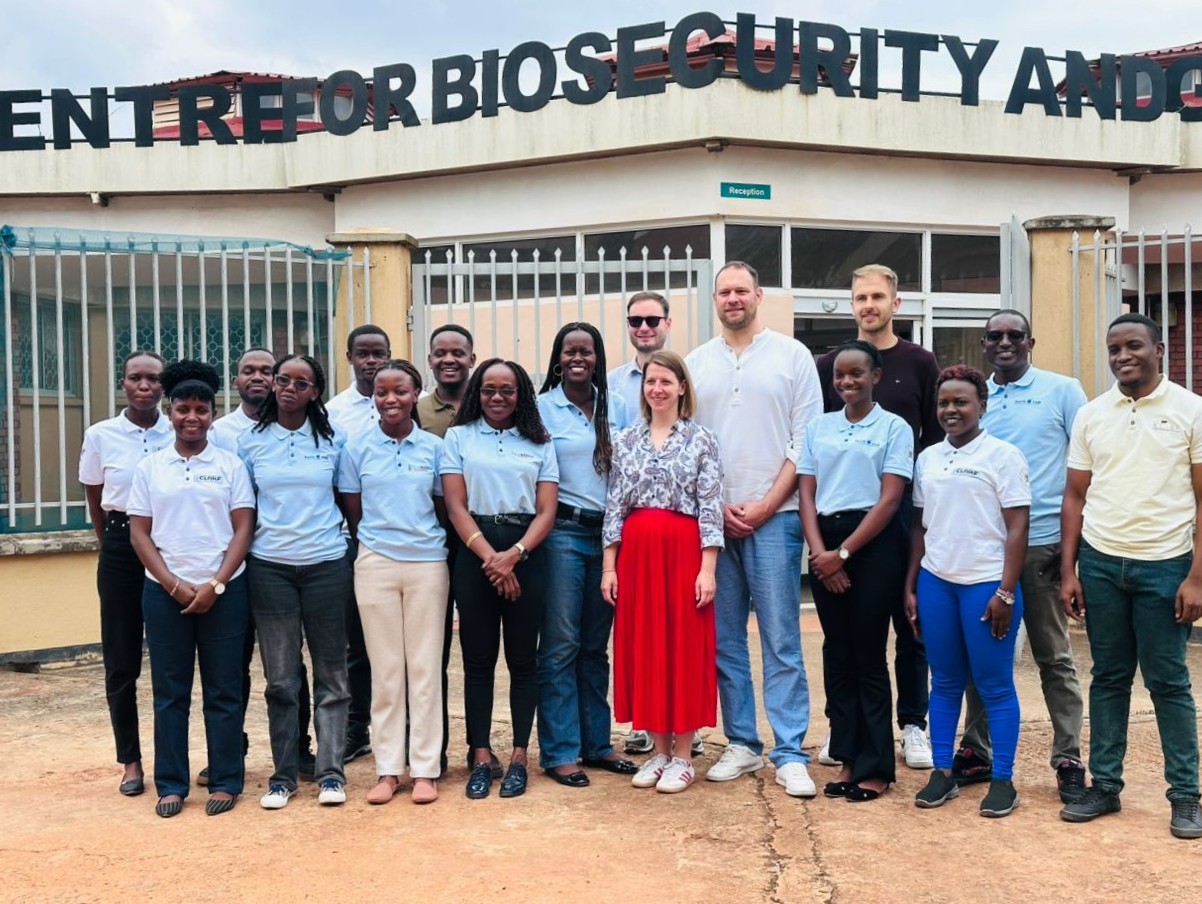
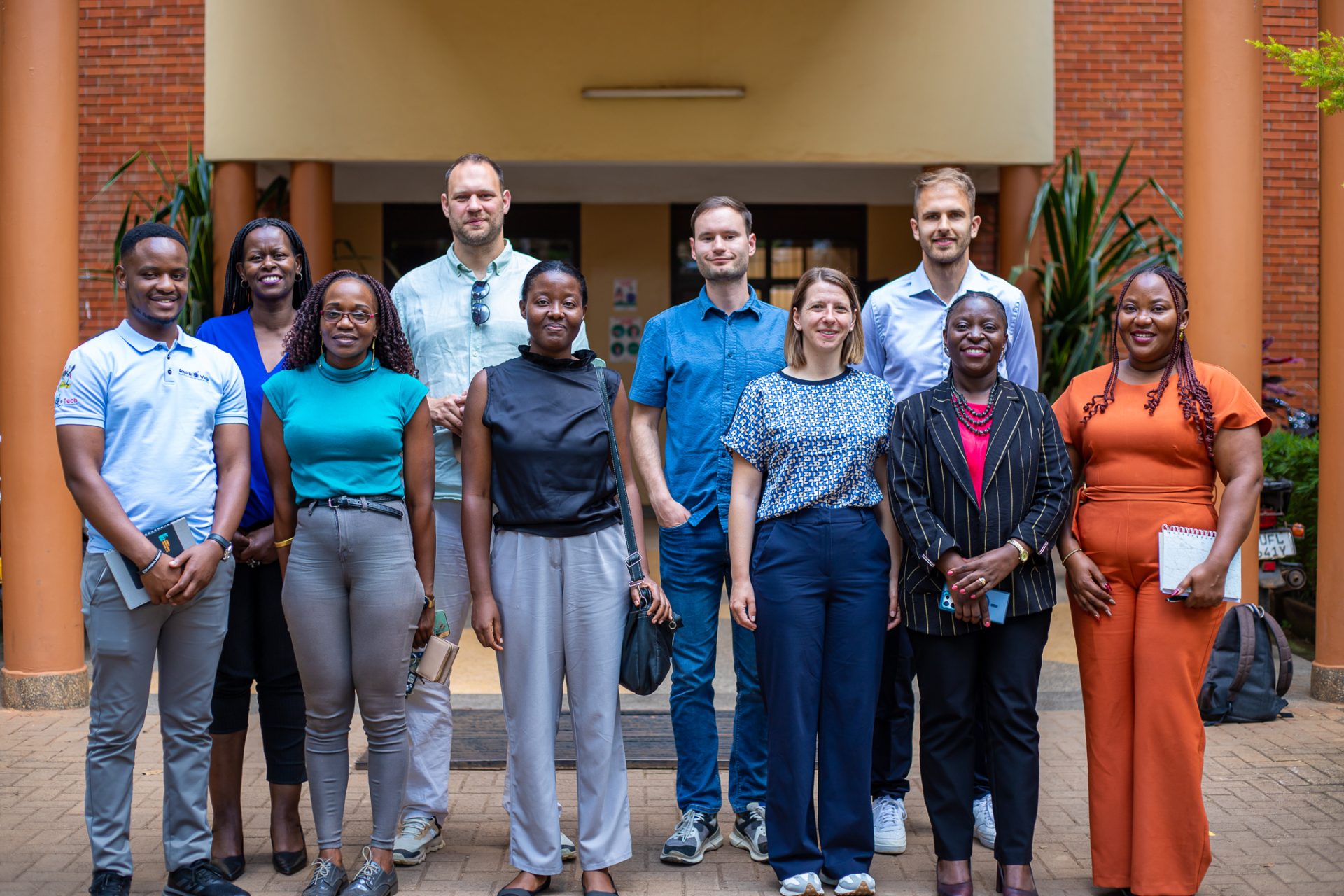
Publication date: 15. 6. 2026In May 2026, a group of four researchers from the Laboratory for Energy Strategy (LEST) at the Faculty of Electrical Engineering, University of Ljubljana, visited Makerere University in Kampala, Uganda. The visit to one of East Africa’s leading research institutions took place במסגרת the Erasmus+ International Credit Mobility (KA171) programme.

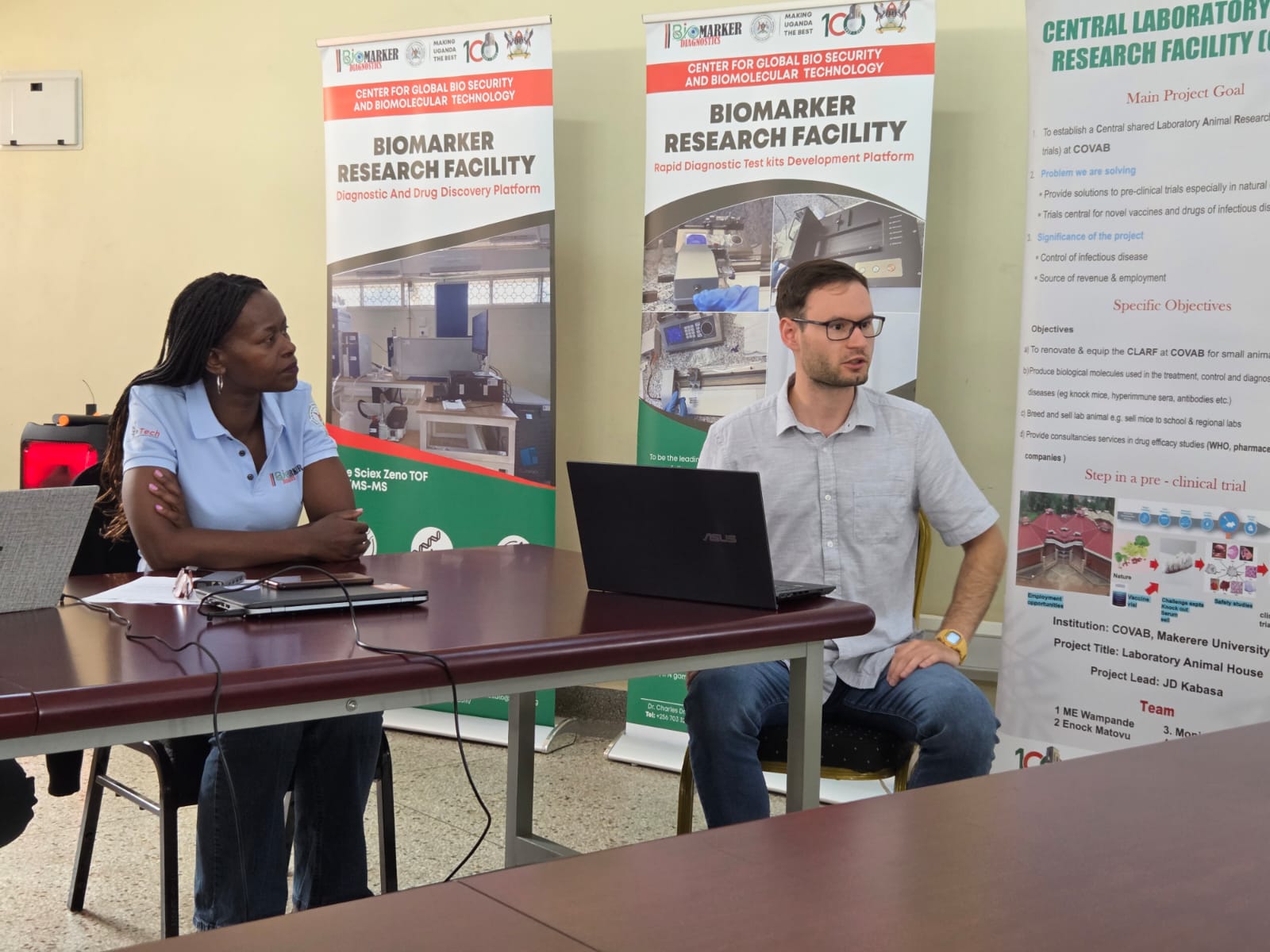
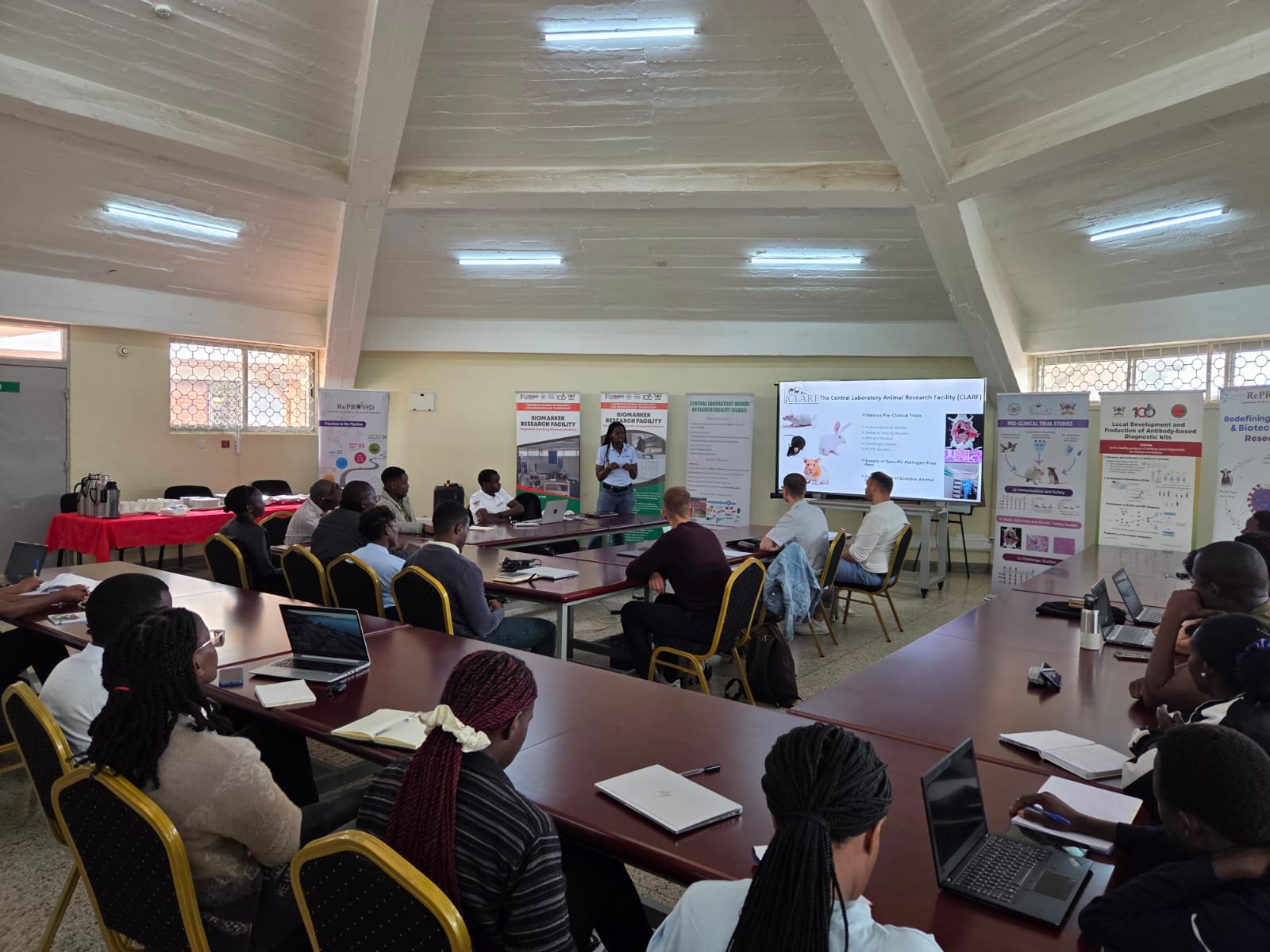
The first links between the two institutions were established through the European INSPIRE project. This visit provided the LEST team with an opportunity to strengthen the already established collaboration with COVAB (College of Veterinary Medicine, Animal Resources and Biosecurity). During the mobility, the laboratory presented its research activities, shared insights and experiences from EU-funded projects, and exchanged views with its hosts on field collaboration, community engagement, pilot site development and opportunities for future joint project proposals.
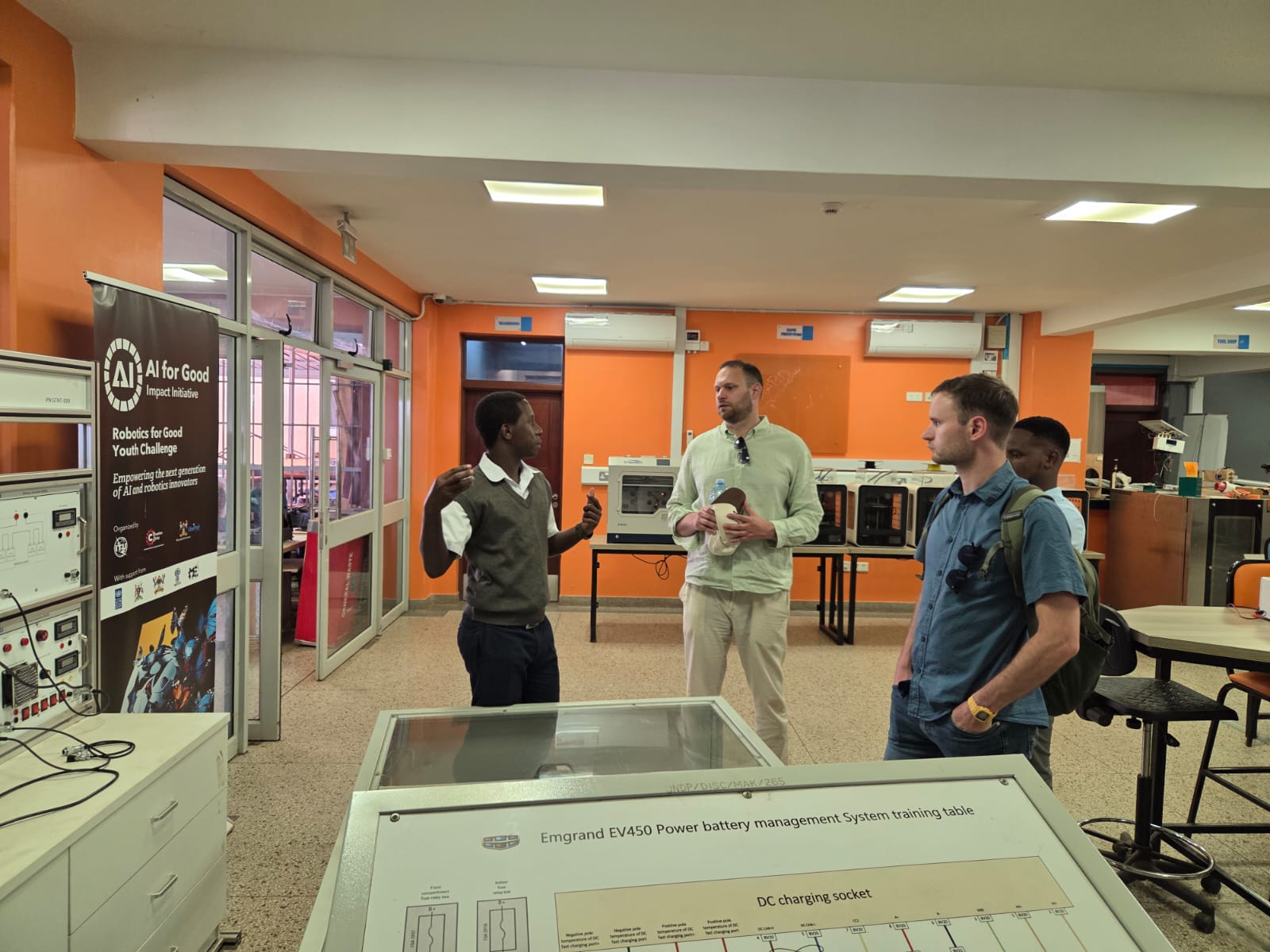
During their stay, the team also met with the Department of Electrical and Electronic Engineering (CEDAT). This proved to be one of the most important meetings of the visit in terms of the laboratory’s core research agenda. The programme also included a visit to the Centre for Biosecurity and Global Health (CeBioTech), which provided a broader perspective on Makerere University’s research ecosystem and sparked discussions on interdisciplinary approaches extending beyond energy, agriculture and life sciences. The longer stay also gave the team the opportunity to experience Uganda first-hand, including a safari that left a lasting impression of the country’s remarkable natural environment.
Dr Tomi Medved, Head of LEST, returned with a clear vision of the value of this collaboration: “The greatest opportunity I see lies in future exchanges of staff and researchers between our institutions. From the perspective of LEST, we see significant potential for joint participation in Horizon Europe and other EU programmes supporting cooperation between Europe and Africa. Uganda offers particularly interesting opportunities in solar energy systems combined with energy storage, agrivoltaics, and biogas production thanks to its strong agricultural sector. Beyond specific technologies, we are also interested in collaborating on strategic energy planning and long-term energy transition pathways.”

Uganda also made a strong impression beyond the academic collaboration. Dr Medved added: “From a technical perspective, I was most surprised by how underutilised solar energy remains despite Uganda’s excellent solar resources. More broadly, I was impressed by how green and fertile the country is. Uganda has exceptional agricultural potential and abundant natural resources. With a population of around 47 million and a median age of approximately 17 years, it is an exceptionally young country. This creates both a significant need for future infrastructure and an outstanding opportunity for international cooperation in the years ahead.”
The visit has opened the door to further collaboration. Discussions are already underway regarding reciprocal mobility, with researchers from Makerere University expected to visit Ljubljana in the future.
Related events
Stay up to date

University of Ljubljana, Faculty of Electrical Engineering Tržaška cesta 25, 1000 Ljubljana