
Master’s programmes

Electrical Engineering
The second-cycle Master’s degree programme in Electrical Engineering offers advanced professional knowledge in the field of electrical engineering and enables the development of advanced technological solutions.
Advanced knowledge and high employability
Second-cycle Master’s degree programmes at the Faculty of Electrical Engineering, University of Ljubljana, offer a high-quality range of specialised knowledge in electrical engineering, multimedia, and statistics.
Master’s study provides an opportunity to build upon and deepen previously acquired knowledge, as well as to develop specific skills required to address more complex challenges in the fields of electronics, robotics, automation and computer engineering, biomedical engineering, power engineering, mechatronics, multimedia, statistics, and information and communication technologies.
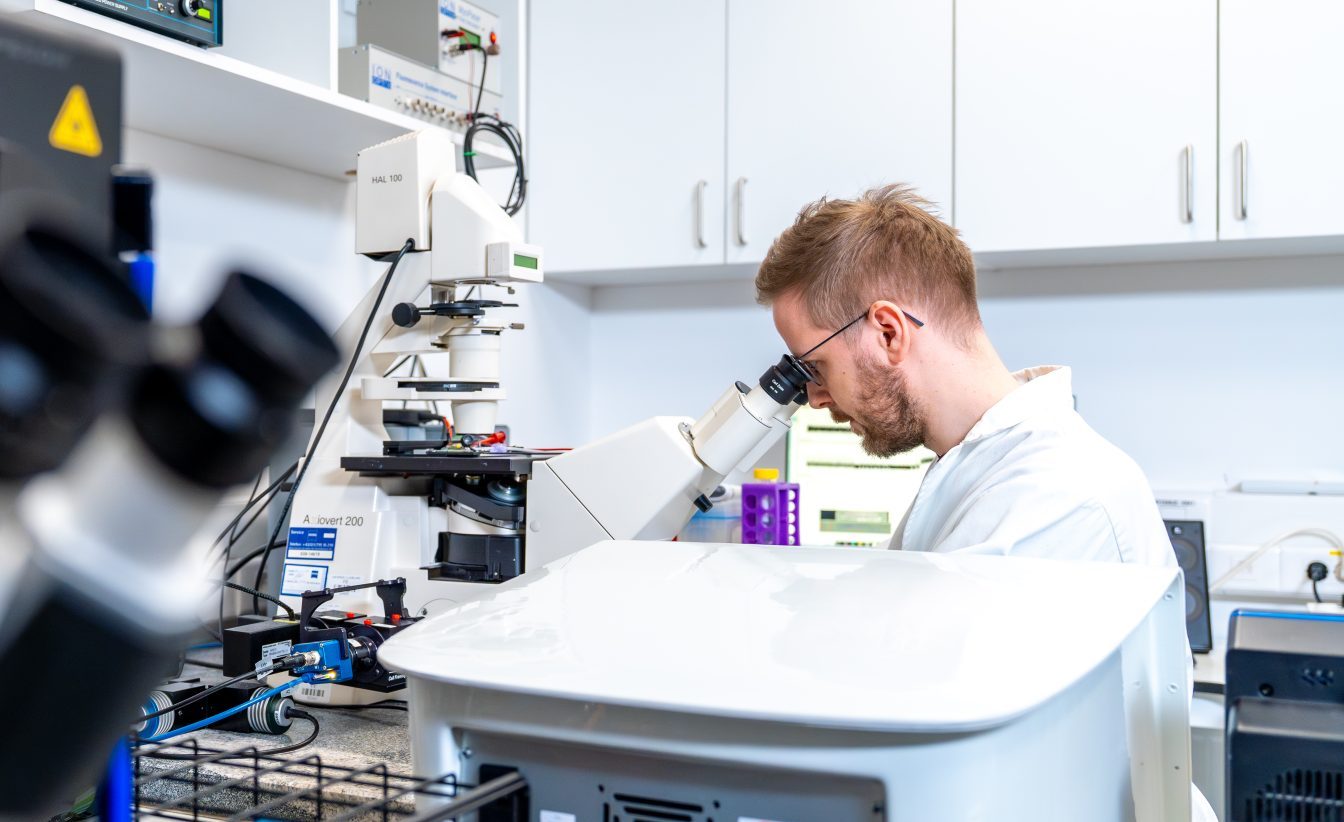
A strong emphasis is placed on research work carried out within real-world projects, where students acquire fundamental skills for independent research. This approach provides an excellent foundation for further doctoral studies or the development of an independent professional career.
The international dimension of the programmes enables students to further enhance their expertise through Erasmus+ and other mobility programmes at partner universities abroad.
The knowledge acquired, strong professional background, and ability to solve problems innovatively open up a wide range of career development opportunities and employment prospects in high-tech companies in Slovenia and worldwide.
Electrical Engineering – a science without boundaries
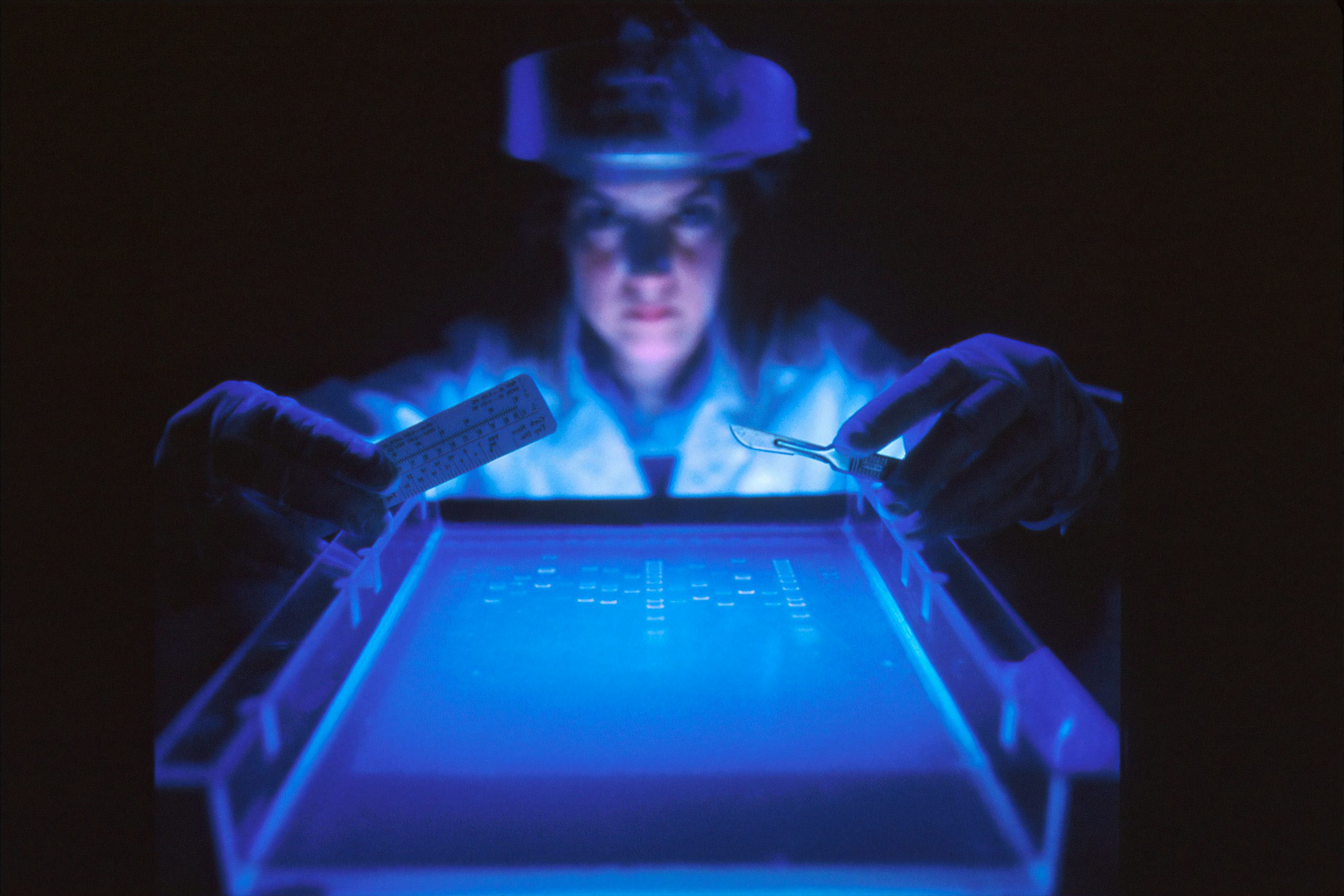
Electrical engineering is one of the broadest and most versatile fields of modern science and technology. Its achievements range from the development of advanced communication systems, robotics, and power engineering to biomedical technologies, where methods such as electroporation are opening new pathways in cancer treatment. The Master’s degree programme at the Faculty of Electrical Engineering, University of Ljubljana, therefore offers a unique opportunity for students to explore diverse disciplines, discover unexpected connections, and create innovations that improve quality of life.

World-class science at the heart of Europe
The Faculty of Electrical Engineering, University of Ljubljana, is located in Ljubljana, a vibrant and internationally open city where tradition meets modernity. Pursuing a Master’s degree here provides access to top-level research groups, state-of-the-art laboratories, and an academic environment that enables students to develop into professionals ready to address global challenges.

A bridge between research and industry
Second-cycle study programmes are designed to connect top-level scientific research with the challenges of industry. Students take part in projects with leading Slovenian and international companies, where they develop solutions with a direct impact on society. This close connection provides students with valuable opportunities for practical experience.

Stay up to date

University of Ljubljana, Faculty of Electrical Engineering Tržaška cesta 25, 1000 Ljubljana