
Faculty of Electrical Engineering hosts the international Free Silicon Conference 2026
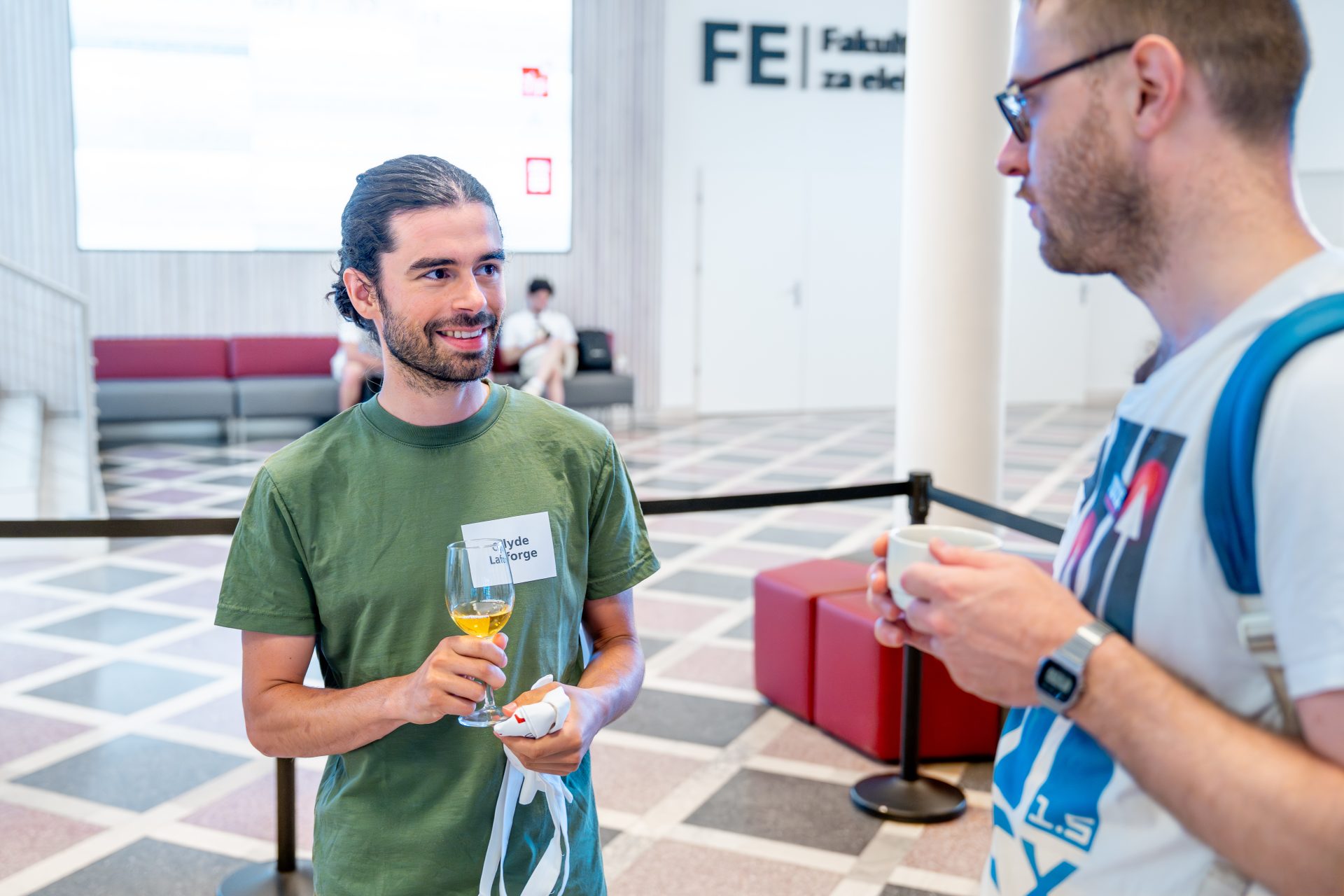
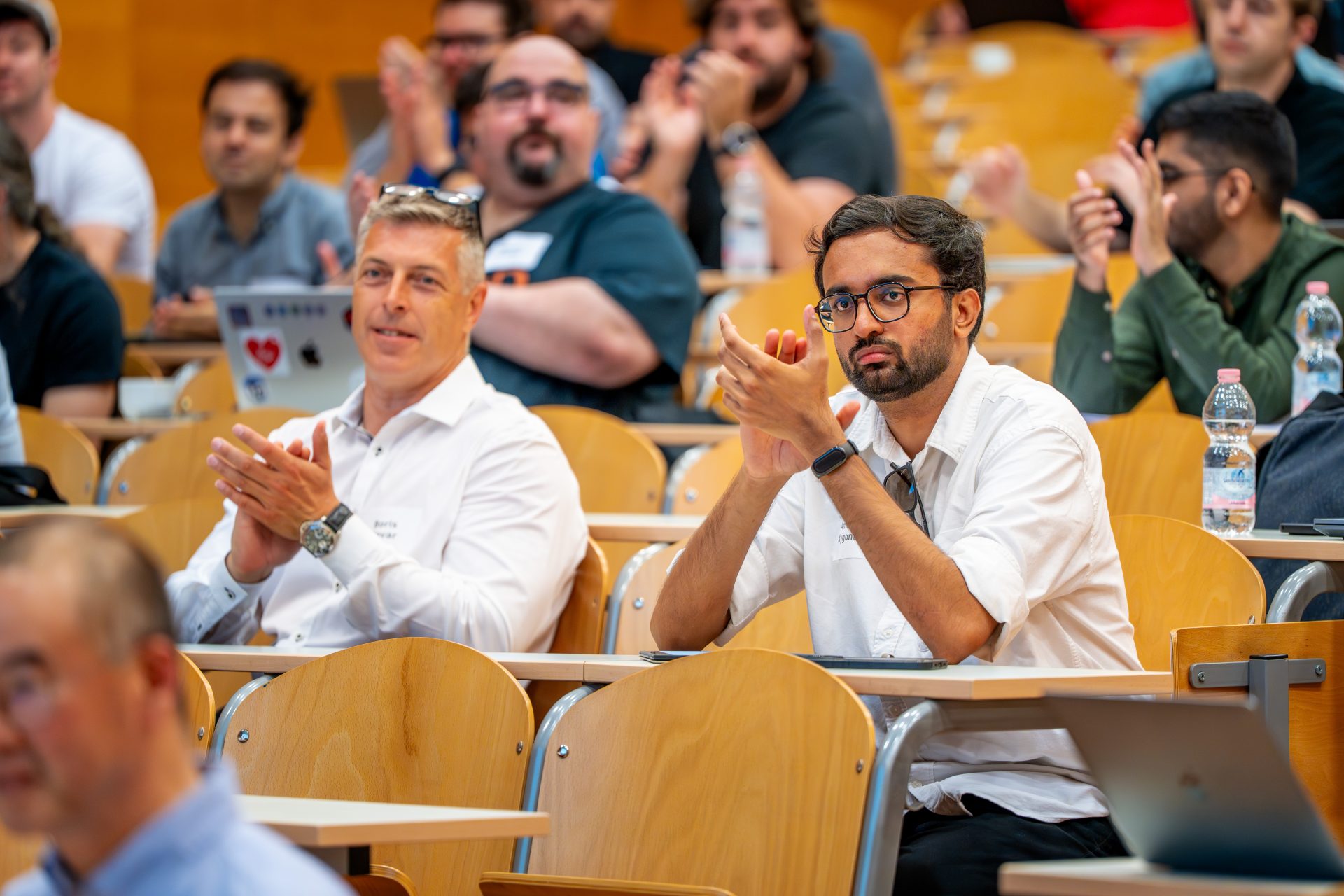
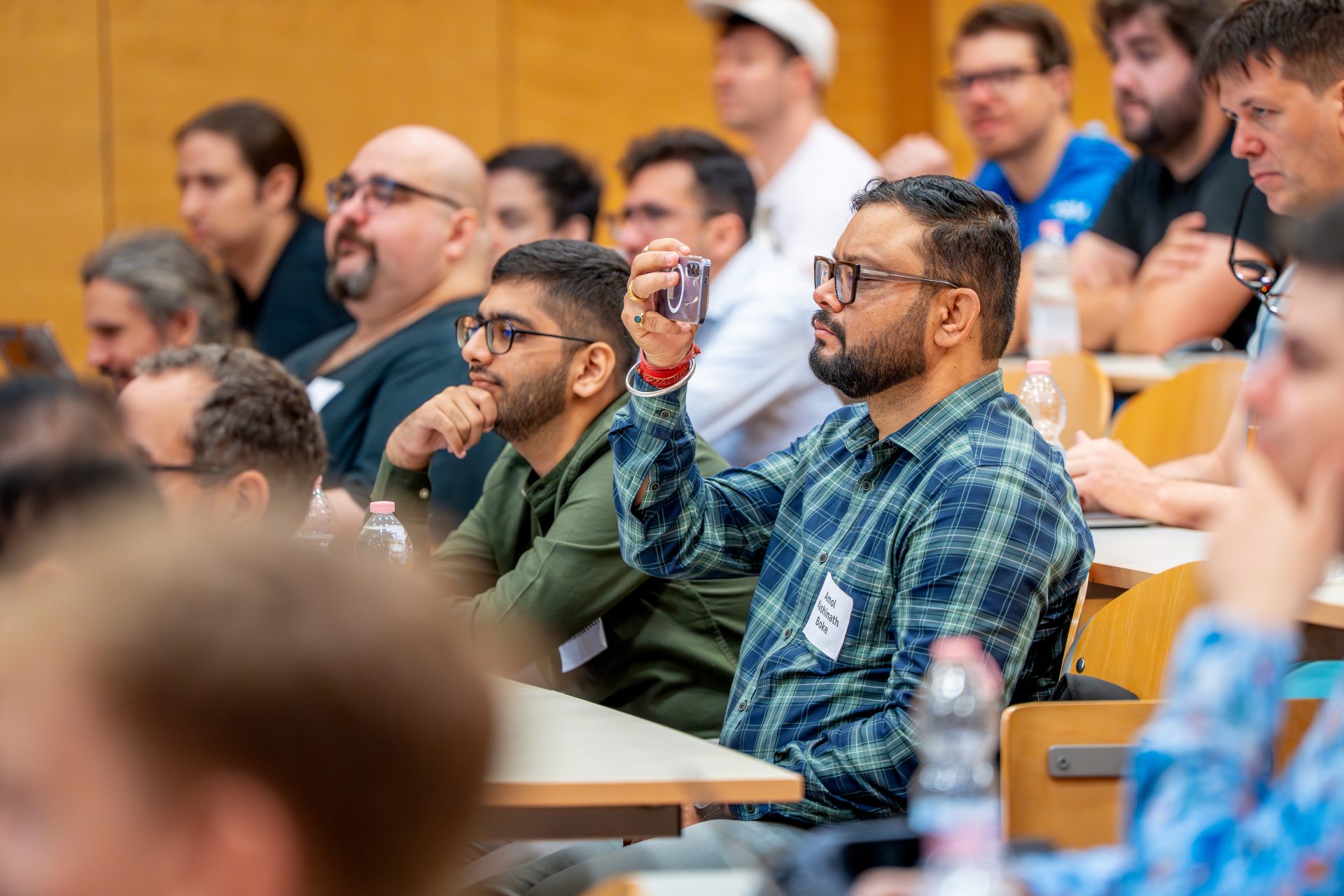
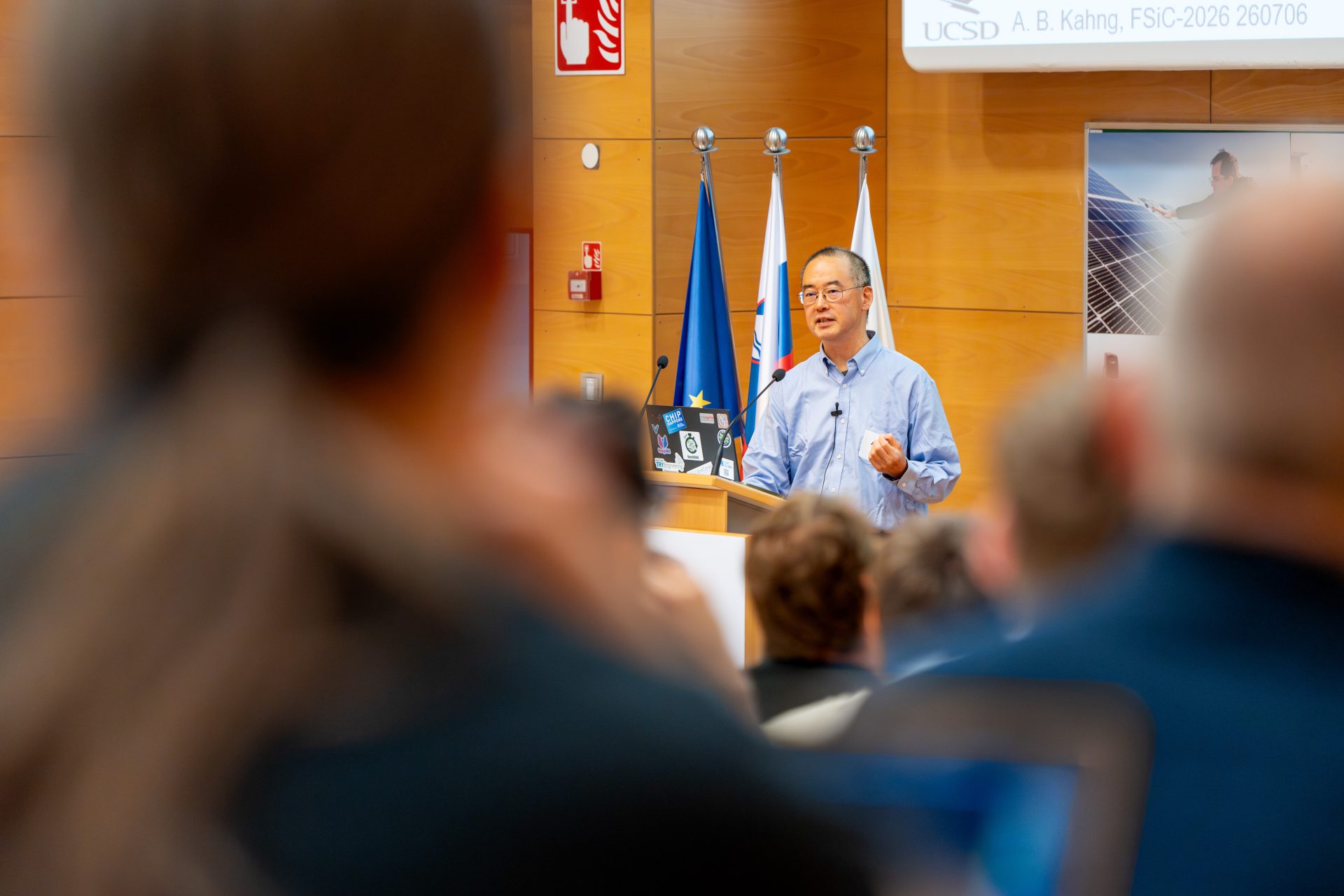
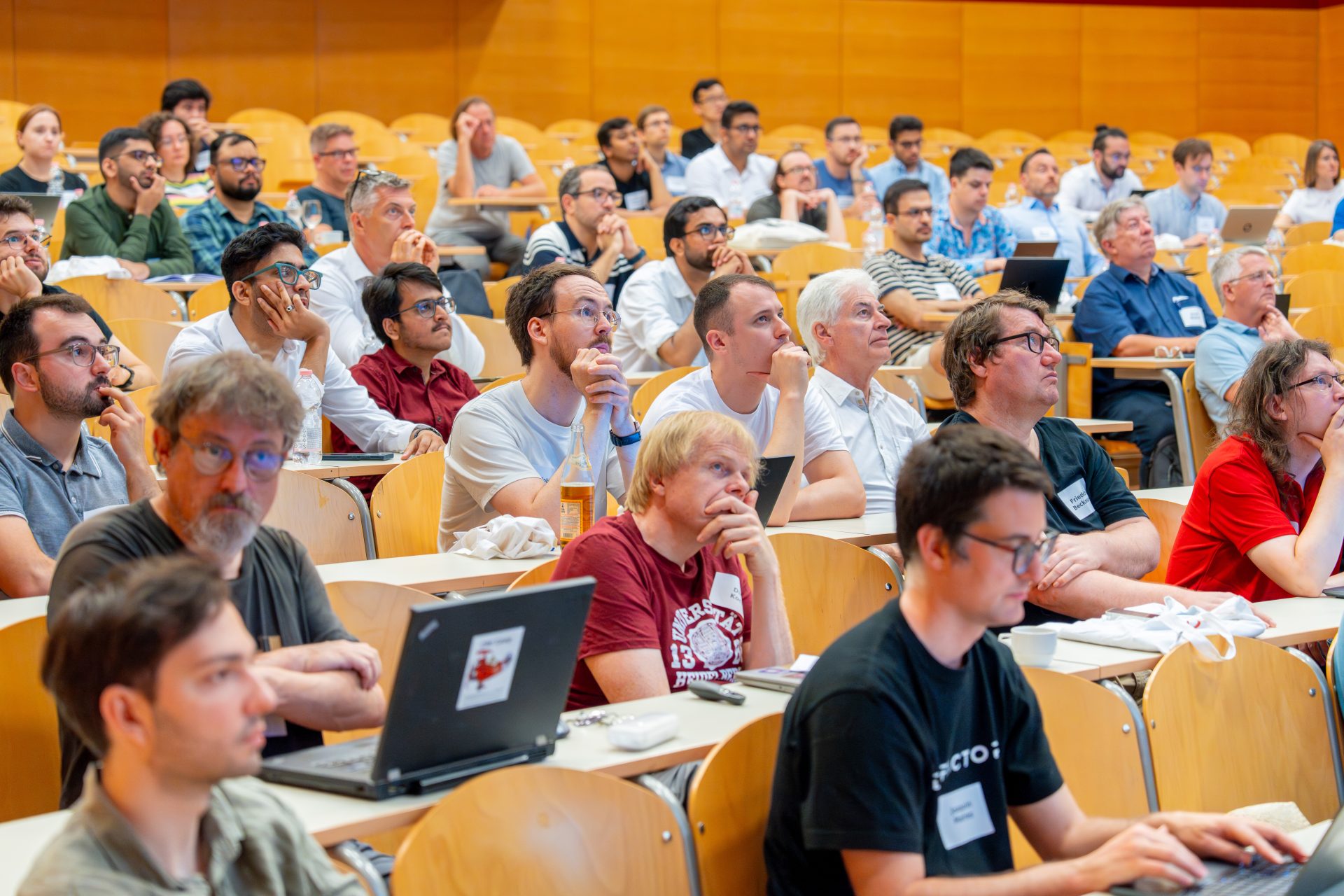
Publication date: 9. 7. 2026From 6 to 8 July 2026, the Faculty of Electrical Engineering, University of Ljubljana (UL FE) hosted the Free Silicon Conference (FSiC) for the first time in Slovenia. FSiC is one of Europe’s leading conferences dedicated to the open-source development of integrated circuits (chips) and open-source electronic design automation (EDA) tools. The event attracted more than 120 experts from around the world to Ljubljana.
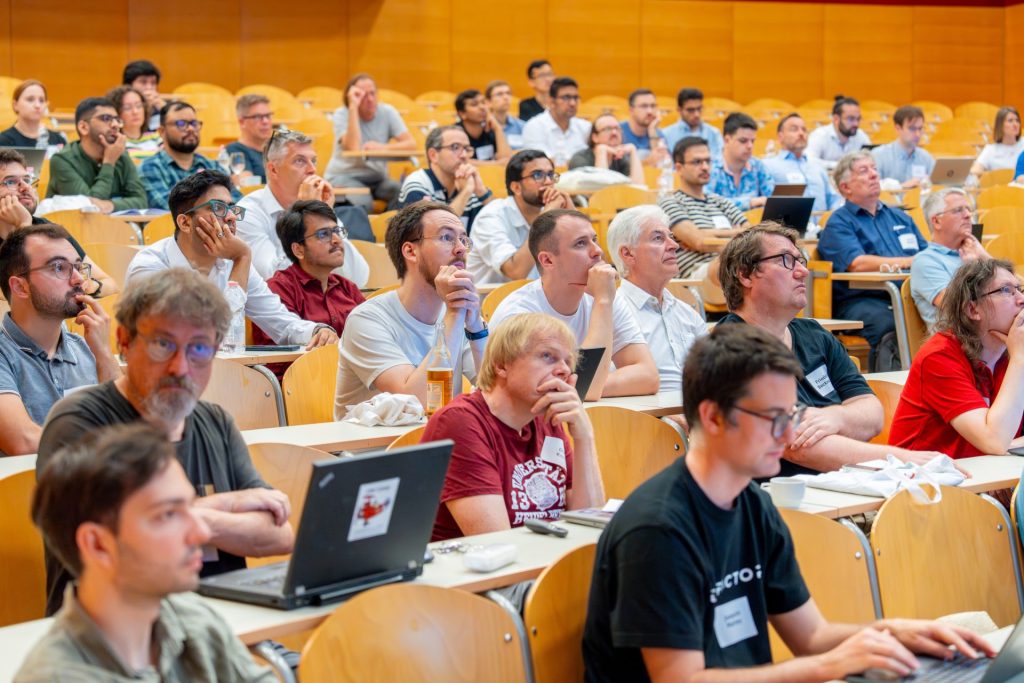
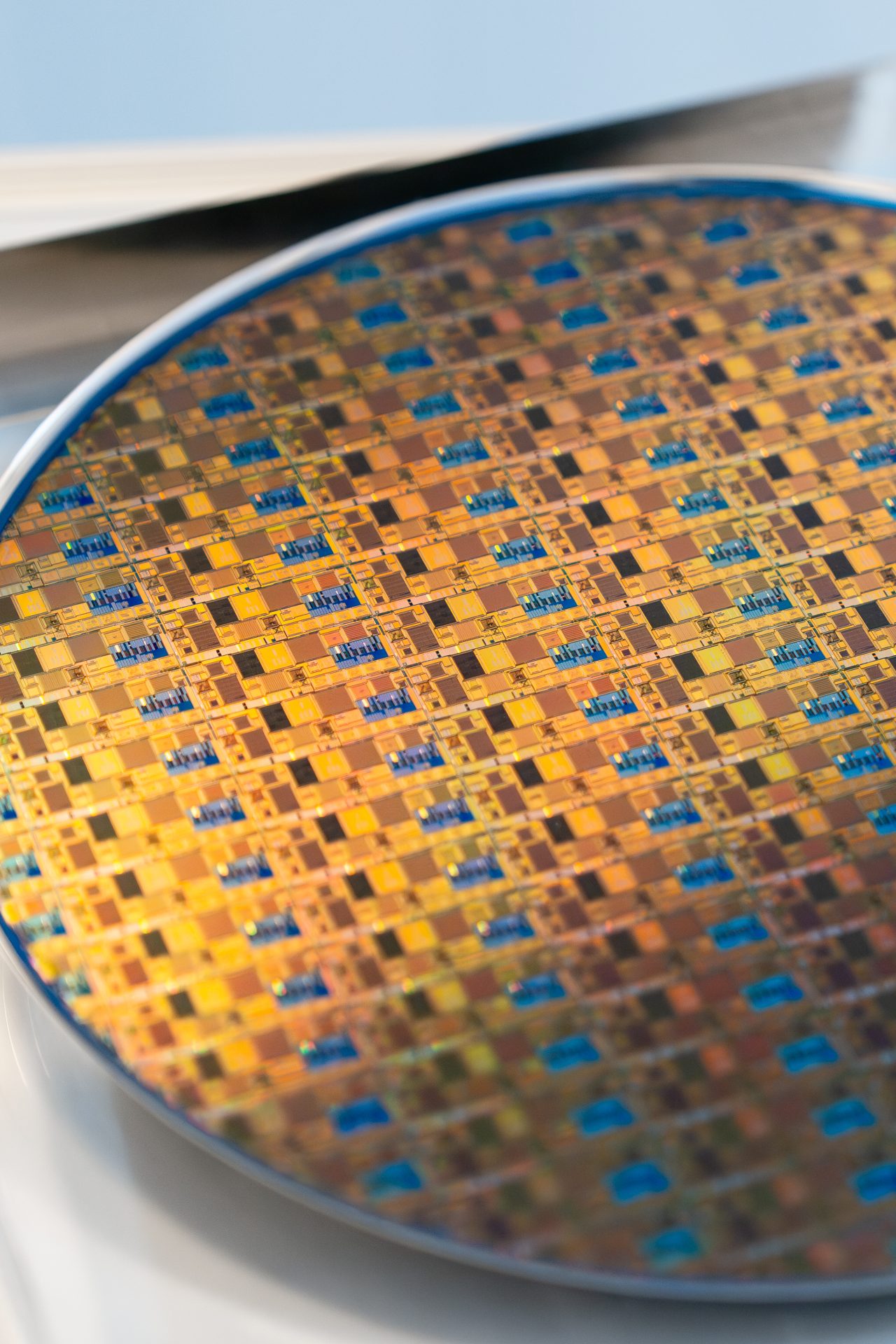
The conference brought together researchers, university representatives, developers of open-source design tools, start-ups and representatives of the semiconductor industry to discuss the future of the open hardware ecosystem for chip design. Participants highlighted the importance of open-source EDA tools and open Process Design Kits (PDKs), which make chip development more accessible and contribute to greater technological independence for research institutions, companies and countries.
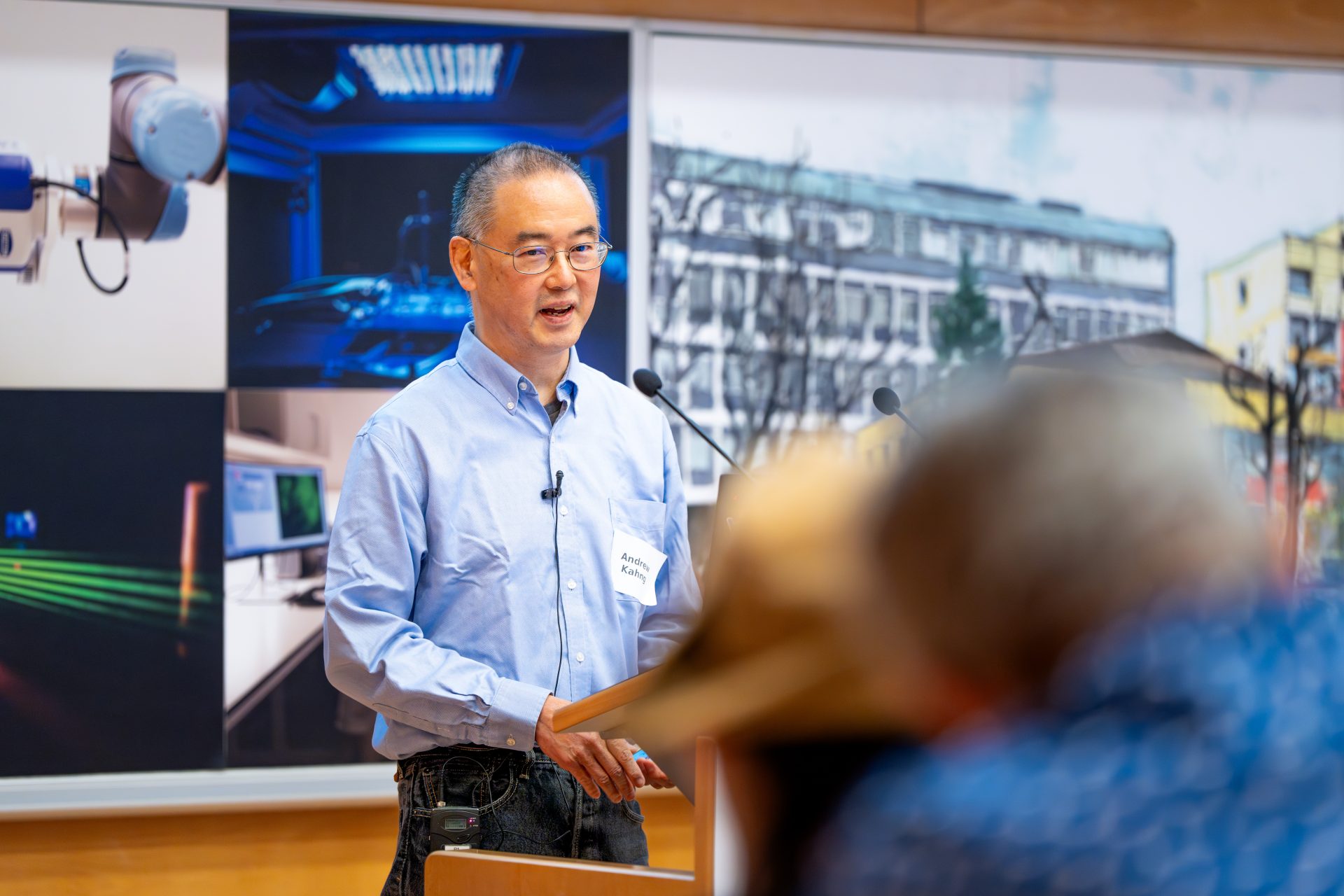
Over the course of three days, the conference featured expert presentations and discussions covering integrated circuit design, open-source EDA tools, hardware security, memory technologies, open semiconductor solutions, and the economic and legal aspects of open hardware. Particular attention was given to the application of artificial intelligence, European research projects, funding opportunities, and the education of future generations of semiconductor engineers.
The conference welcomed distinguished speakers from leading research institutions, including CERN, ETH Zurich, UC San Diego, and the Chinese Academy of Sciences. Researchers from the University of Ljubljana and the Jožef Stefan Institute also made significant contributions to the programme.
Hosting the conference represents an important recognition of the Faculty of Electrical Engineering and the Slovenian research community, confirming their growing role in the development of open-source semiconductor technologies in Europe. The successful organisation of the event also strengthened Slovenia’s visibility within the European research and innovation landscape and encouraged further international collaboration in open-source chip development.
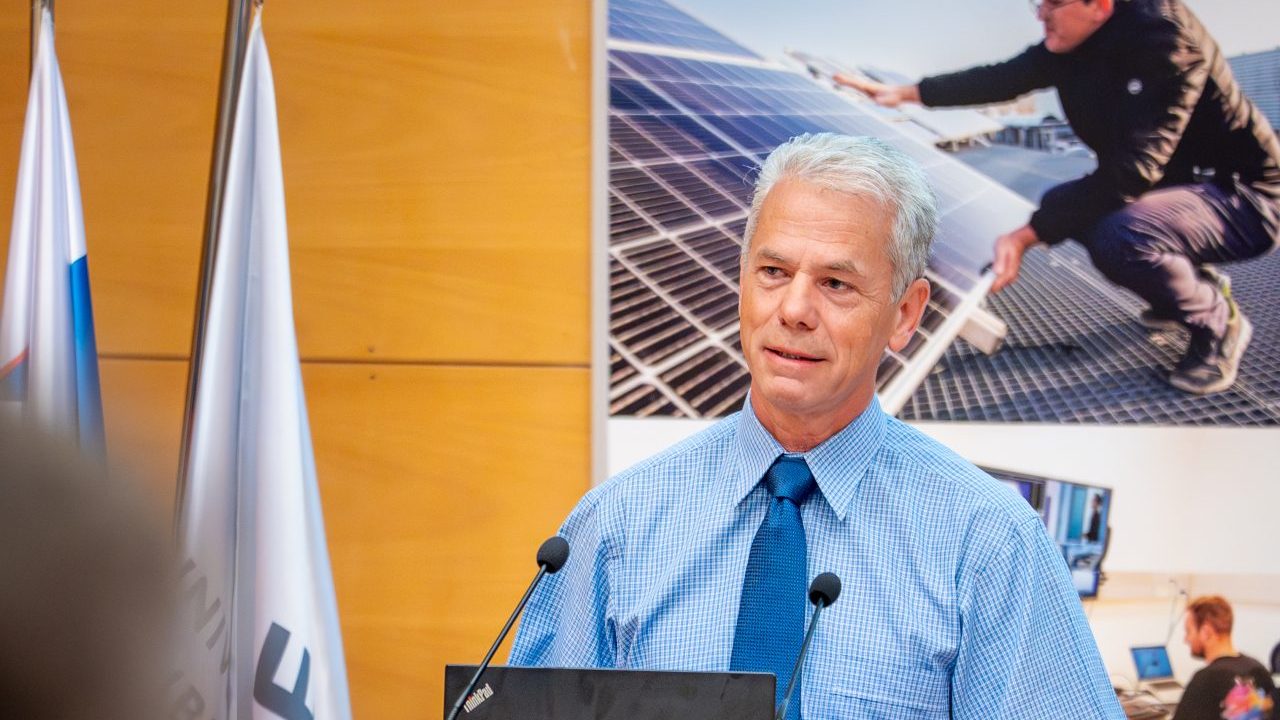
This was also emphasised by Prof. Dr Arpad Bürmen from UL FE: “This year’s Free Silicon Conference at our faculty exceeded expectations, both in terms of participant engagement and the quality of the presented contributions. The fact that the conference was held in Slovenia for the first time is a recognition of the work we have been carrying out at UL FE in the field of open-source chip development for many years. At the same time, it provides an opportunity for the Slovenian research community to become more actively involved in the European and global development of this field. Open-source chip development is not merely a technical issue—it is also a question of the independence of European industry and research from a small number of proprietary solutions, making it increasingly important from a strategic perspective. Hosting the conference further strengthens our established collaborations with leading European institutions and companies, while creating new opportunities for cooperation and for involving our students in international research.”
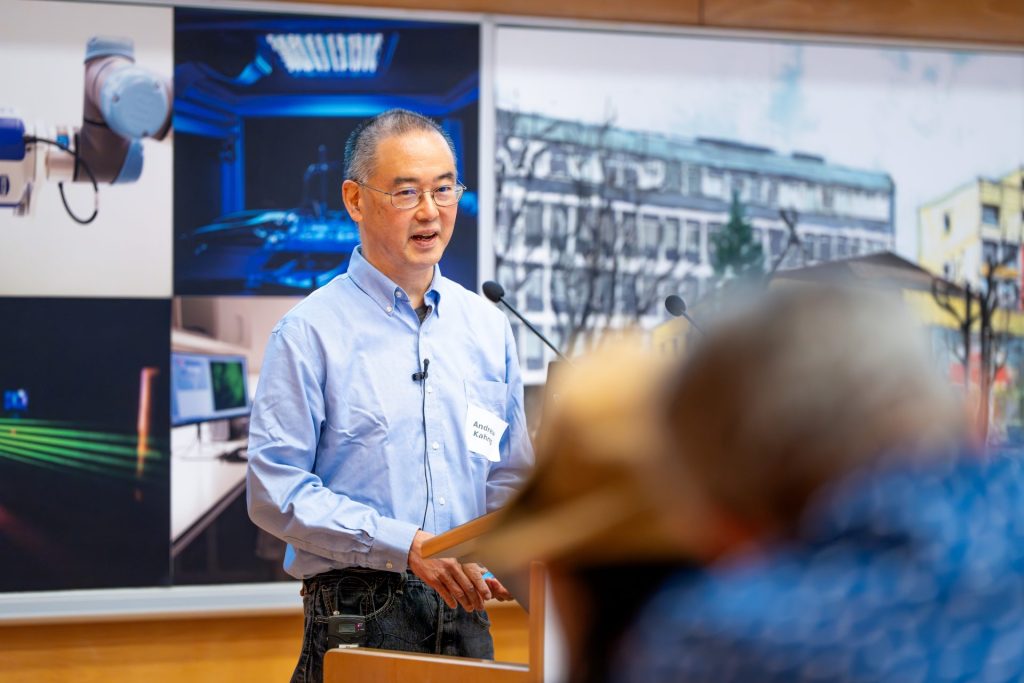
The conference was co-funded by the Swiss State Secretariat for Education, Research and Innovation (SERI) through the NGI0 Commons Fund project. The NGI0 Commons Fund receives funding from the European Union’s Horizon Europe Research and Innovation Programme under Grant Agreement No. 101135429.
Related events
Stay up to date

University of Ljubljana, Faculty of Electrical Engineering Tržaška cesta 25, 1000 Ljubljana