
12th Slovenian Photovoltaic Conference highlights the latest trends in photovoltaic development
Publication date: 24. 6. 2026Photovoltaics is now one of the key driving forces behind the energy transition. However, its future development is no longer solely a matter of technological progress, but increasingly one of system integration, flexibility and cross-sector collaboration. This was the central message of the 12th Slovenian Photovoltaic Conference, held yesterday at the Faculty of Electrical Engineering, University of Ljubljana.
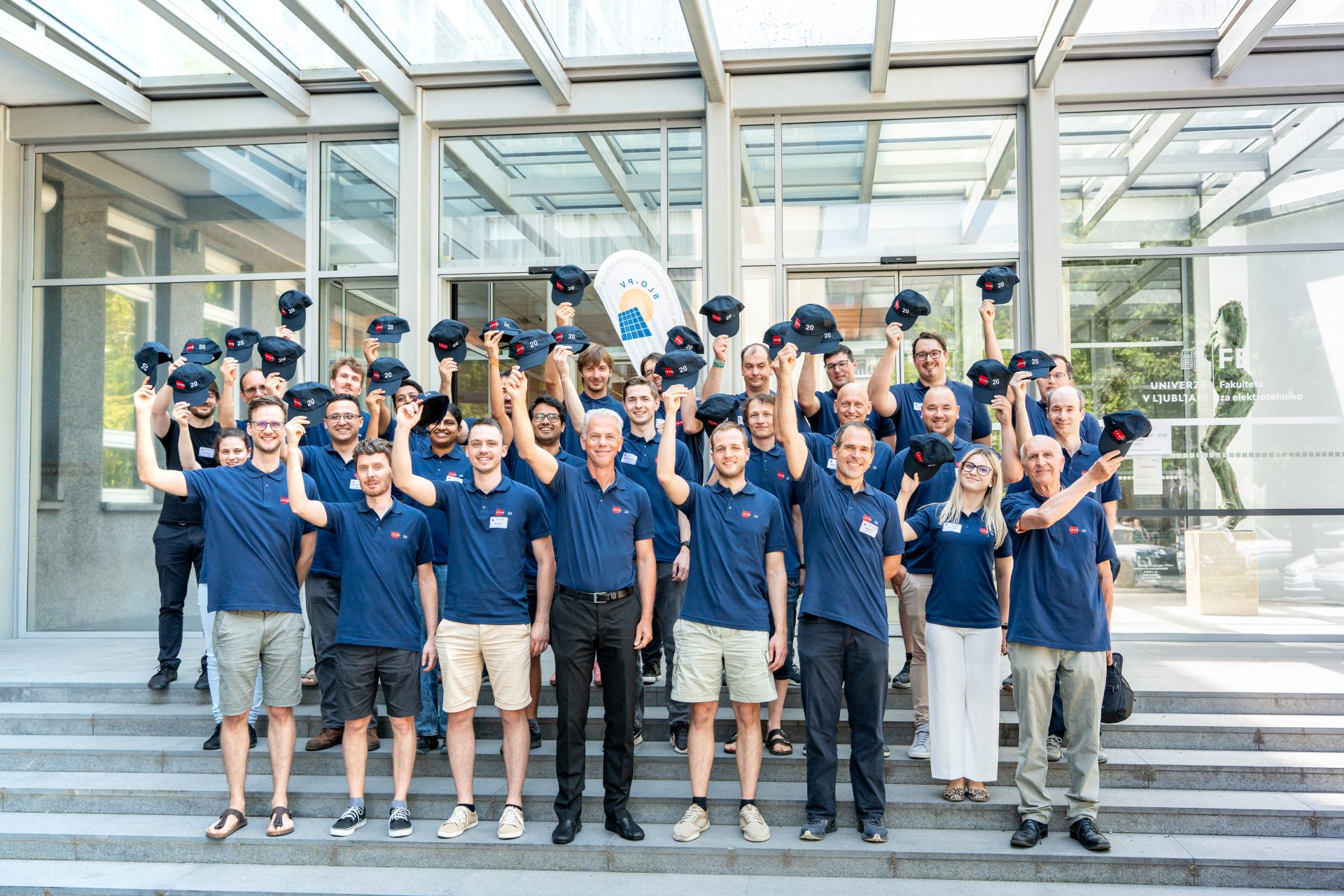
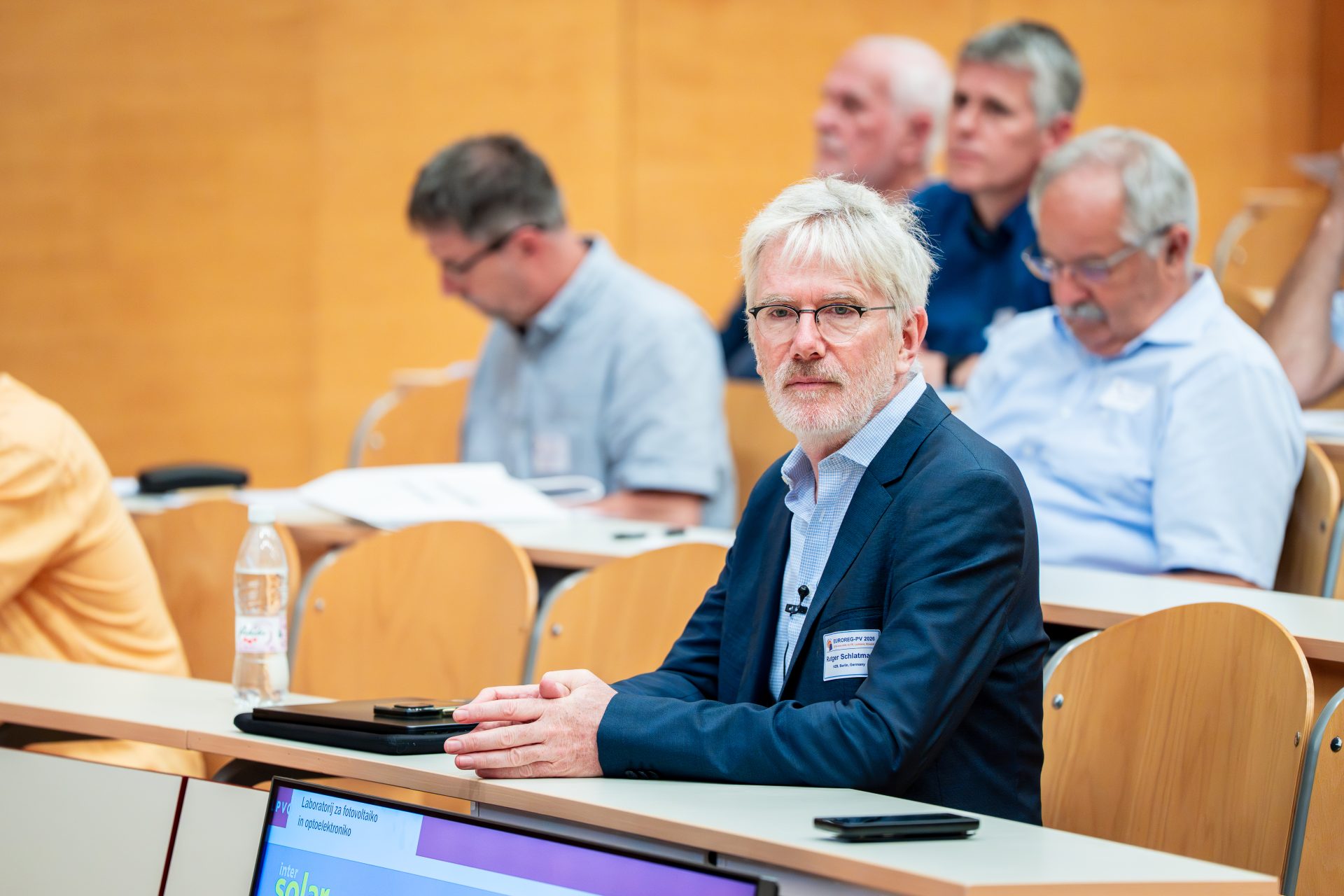
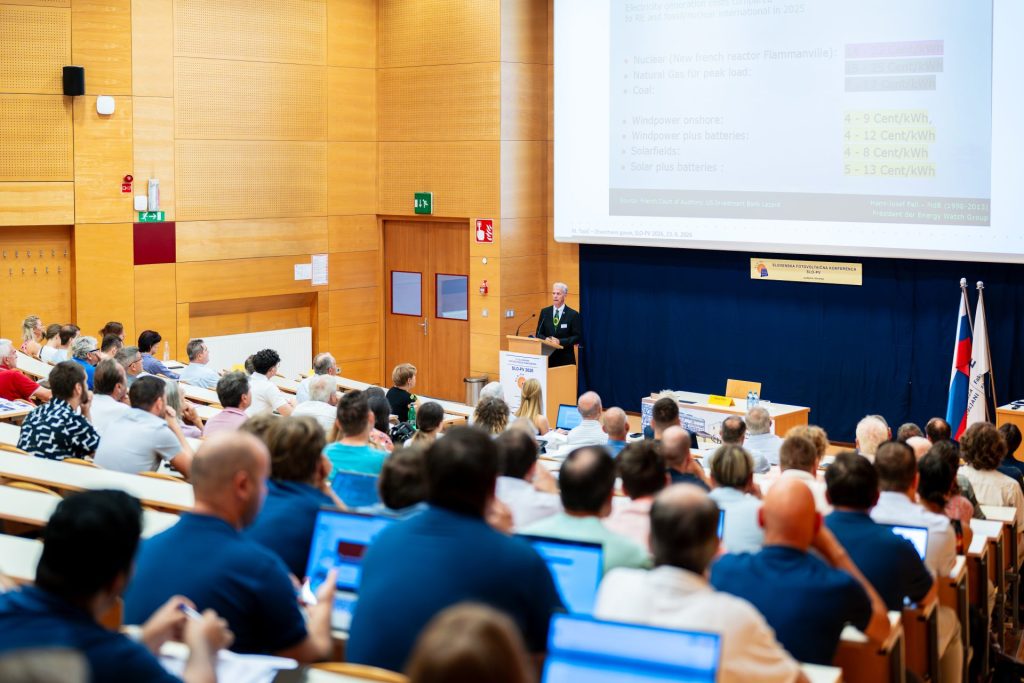 This year’s conference marked several important anniversaries: the 20th anniversary of the Laboratory of Photovoltaics and Optoelectronics (LPVO) at UL FE, 20 years since the first Slovenian Photovoltaic Conference, and the 20th anniversary of the European Technology and Innovation Platform for Photovoltaics (ETIP-PV). Representing ETIP-PV was its President, Prof. Dr Rutger Schlatmann, one of Europe’s leading experts in advanced solar cell development and the transfer of photovoltaic technologies to industry.
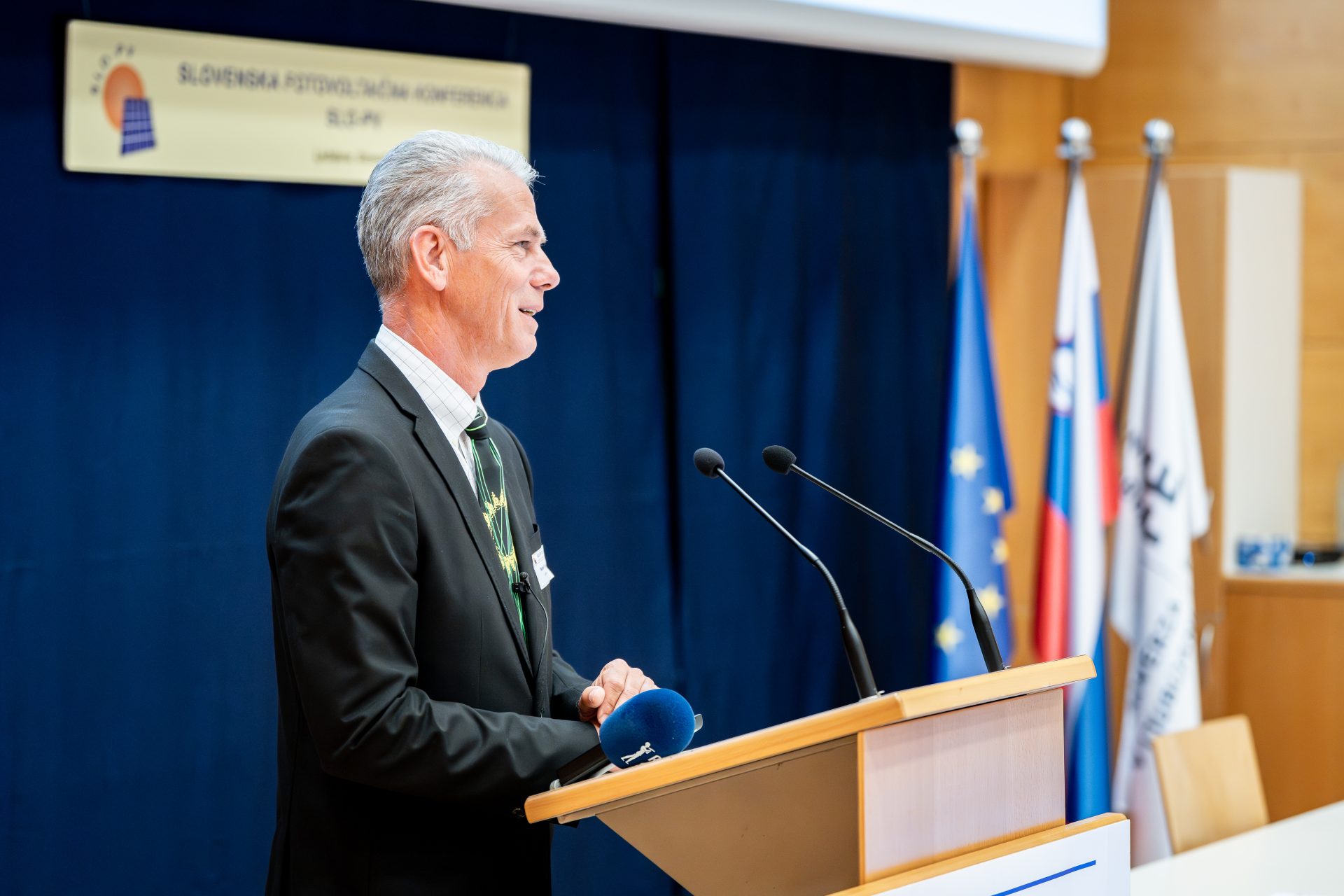
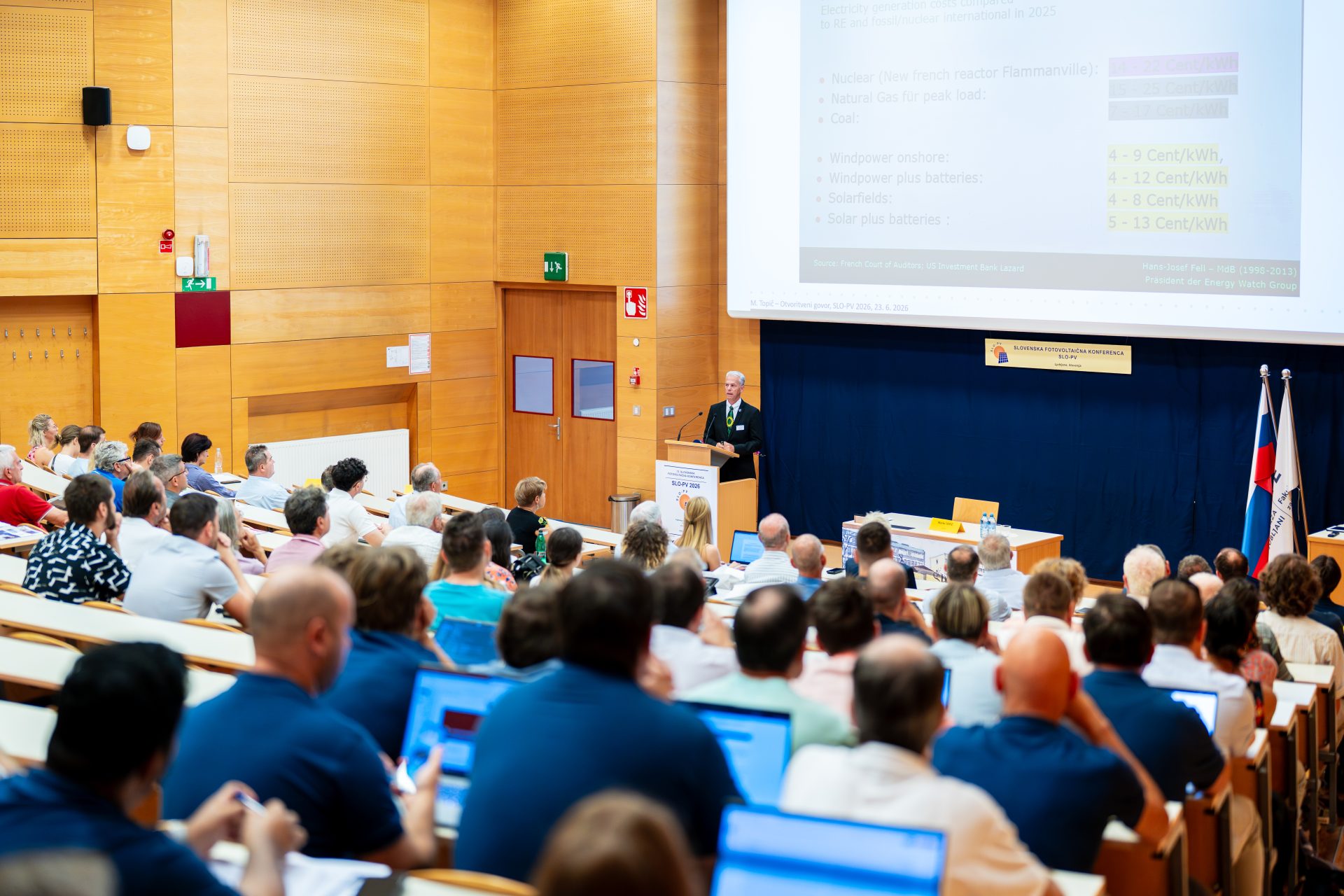
In his opening address, Prof. Dr Marko Topič, Conference Chair and Dean of UL FE, highlighted that in 2025 solar power plants generated more electricity globally than any other energy source, surpassing both wind and nuclear power. He attributed this to photovoltaics’ flexibility and low cost, resulting from decades of technological progress and innovation. He also pointed to a new investment trend emerging in Slovenia, where traditional solar power installations are increasingly being complemented by projects combining photovoltaic systems with battery storage, supported by active electricity market trading.
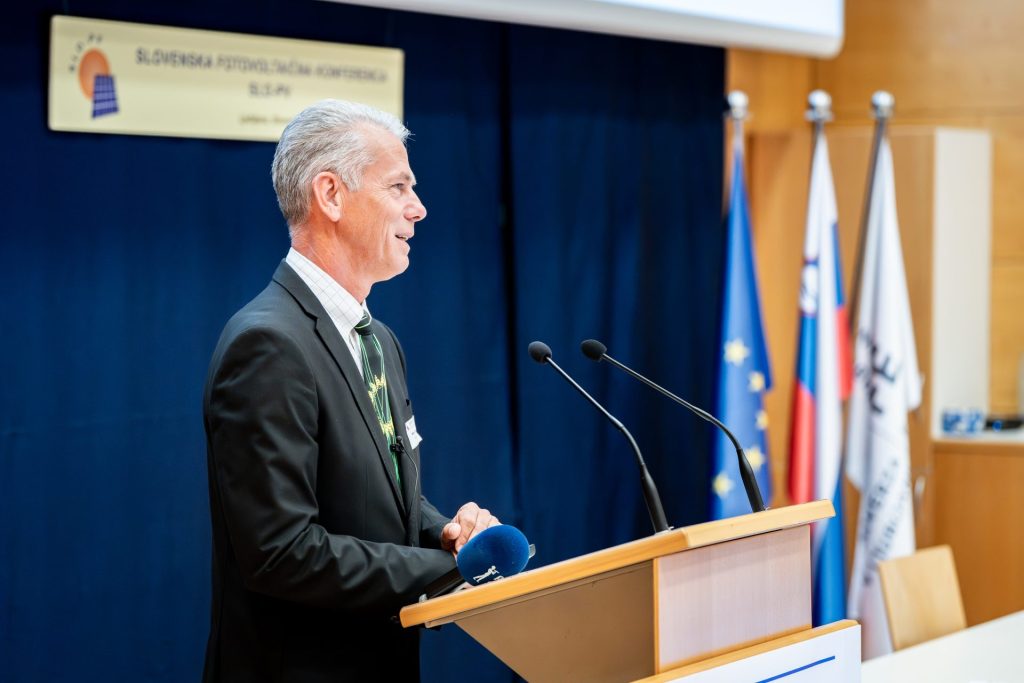
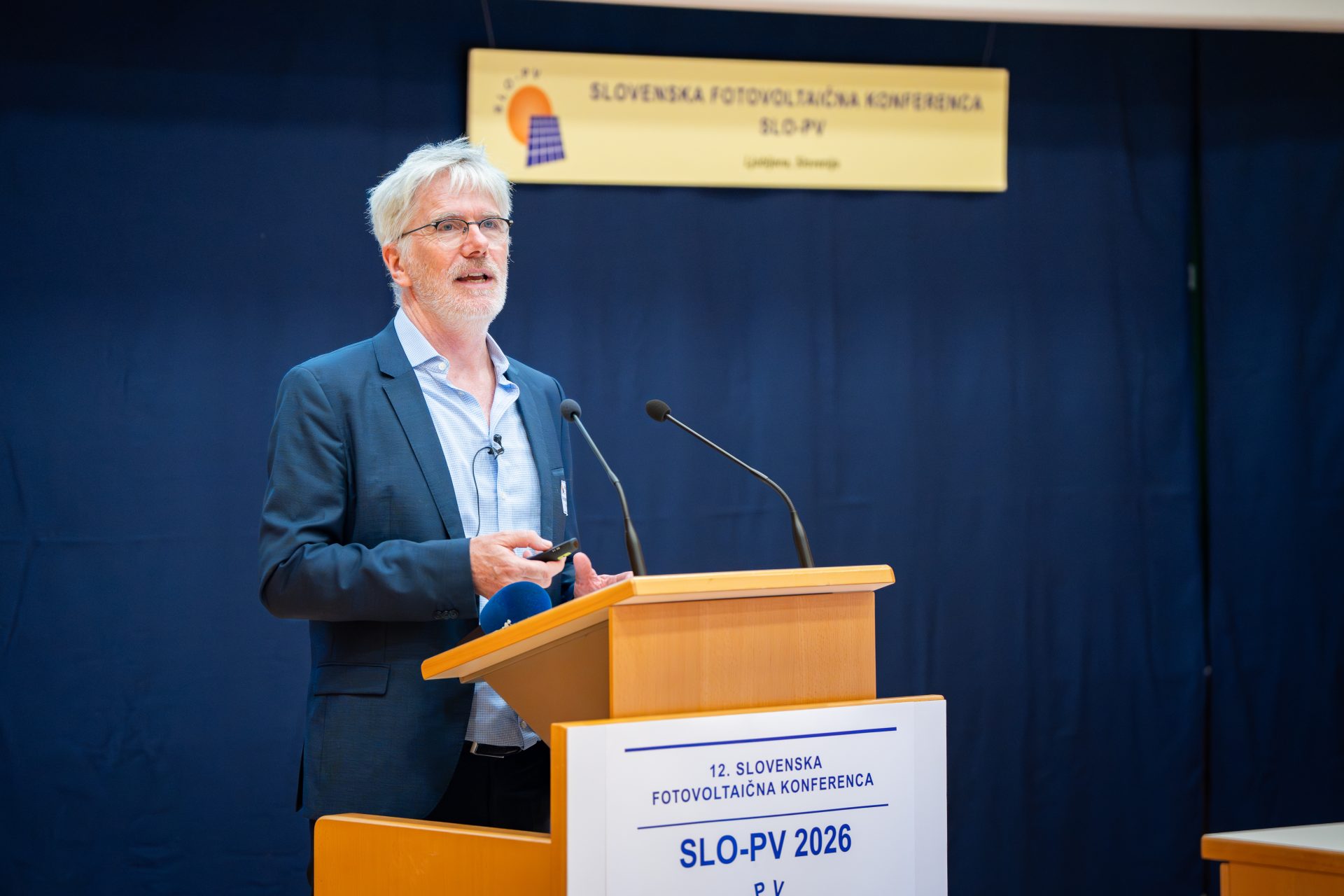
Prof. Dr Rutger Schlatmann emphasised that technological and economic advances have made photovoltaics one of the key technologies driving the energy transition. At the same time, he highlighted the gap between Europe’s ambitious renewable energy targets and its actual manufacturing capacity. According to him, strengthening European photovoltaic manufacturing has only a limited impact on electricity prices but is crucial for Europe’s energy and industrial sovereignty. He identified the greatest opportunities for future development in the integration of photovoltaic systems with electricity grids and energy storage, while continued improvements in solar cell efficiency remain a key technological priority. In particular, he highlighted perovskite tandem solar cells as one of the most promising technologies for the future.
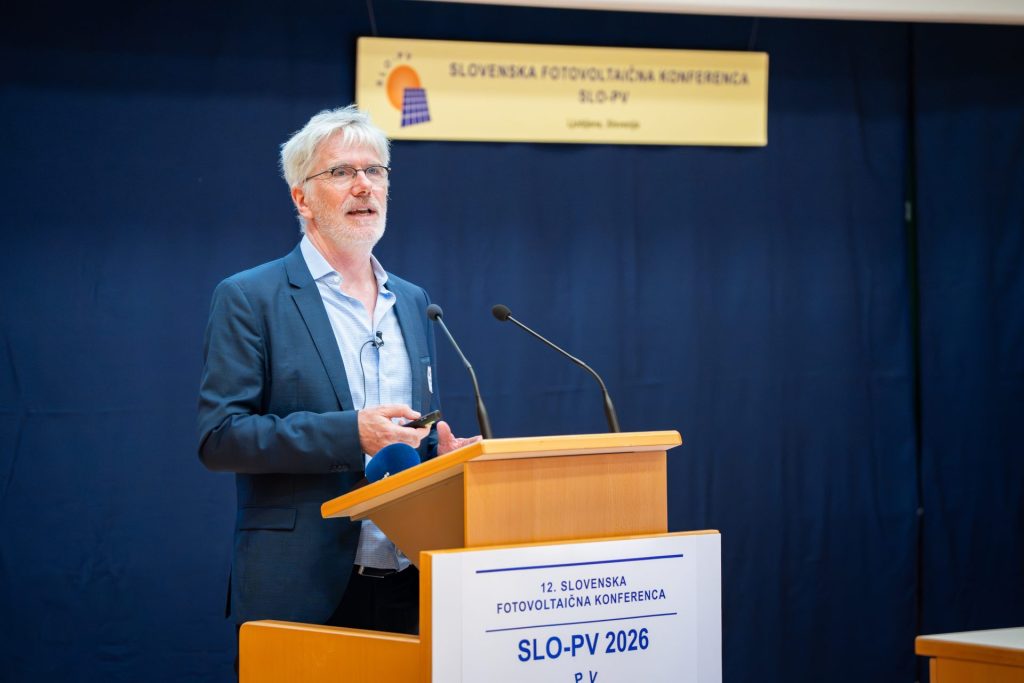
The Slovenian market and ongoing projects
The current state of Slovenia’s photovoltaic market was presented by Kristijan Brecl from UL FE. By the end of 2025, Slovenia had 68,691 operational solar power plants with a combined installed capacity of 1,519.3 MW, representing an 8% increase compared to the previous year. Slovenia currently has 723 W of installed photovoltaic capacity per capita, approximately 20% below the European average, ranking 13th among EU Member States.
Gregor Koron from Soške elektrarne Nova Gorica presented the Kanalski Vrh solar power plant project, which foresees an installed capacity of 7.3 MWp and an annual electricity production of approximately 8,000 MWh. The project also includes plans to develop a broader renewable energy park incorporating floating photovoltaic and wind power installations.
The growing importance of energy system flexibility
The second session focused on the flexibility of the electricity system.
Tomaž Dostal from Iskraemeco emphasised that: “Higher penetration of rooftop photovoltaic systems in low-voltage distribution networks can be achieved if flexibility services on the grid side are technically straightforward, operationally manageable and easily accessible to end users.”
Uroš Kerin from EIMV discussed the evolution of smart grids into digital ecosystems that connect electricity generation, consumption, storage and different sectors of the economy in real time. Miran Meža from Megatel presented the role of electric vehicles as active components of the energy system, where artificial intelligence enables charging optimisation based on electricity prices. Miha Valentinčič from Avantcar added that electric vehicles are no longer merely a means of transport but are becoming an integral part of the energy system, with mobility and energy increasingly converging into a single user-centred ecosystem.
Energy storage and future market developments
Energy storage was the main topic of the conference’s third session.
Marko Bahor from ELESA presented the role of hydrogen as a key energy carrier for storing surplus renewable energy and linking the electricity and gas systems. Klemen Sterle from Hermi highlighted the importance of corrosion protection for photovoltaic mounting structures, which is essential for ensuring long service life and the economic viability of solar power investments.
The final presentation was delivered by Žiga Miklič from UL FE, who discussed the role of dynamic electricity pricing in optimising the operation of photovoltaic systems and battery storage. His analysis of the European electricity market demonstrated significant price fluctuations throughout the day, creating opportunities for energy arbitrage. However, widespread adoption of such strategies could, over time, contribute to price stabilisation and reshape electricity market models.
The conference clearly demonstrated that the energy transition is no longer driven solely by advances in individual technologies, but by their integration into a unified, digital and flexible energy system. Photovoltaics remains at the heart of this transition, while its continued development increasingly depends on grid integration, energy storage, electric mobility and innovative market models.





Related events
Stay up to date

University of Ljubljana, Faculty of Electrical Engineering Tržaška cesta 25, 1000 Ljubljana